

Is a Heated Driveway Worth It?
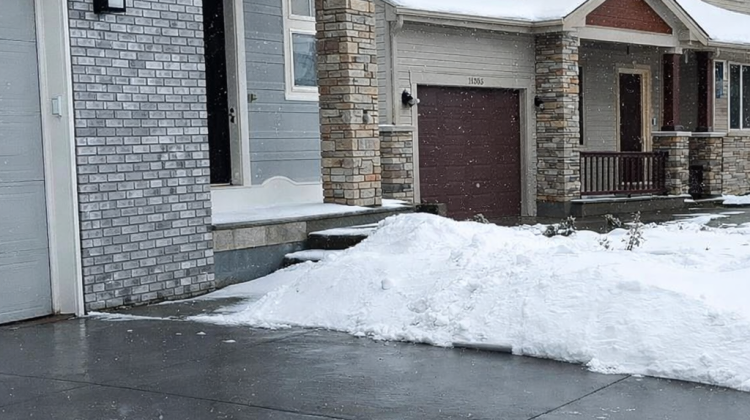
A driveway blanketed in snow looks beautiful for about eight seconds. Following that, it turns into a routine of shoveling, slipping, salting, and wishing for better decisions. This is when the concept of a heated driveway begins to feel less like a luxury and more like a necessity for survival. Before picturing warm concrete and snow disappearing effortlessly, the actual concern is pragmatic: is investing in a heated driveway financially worthwhile? Grasping the ROI of a heated driveway and the payback period distinguishes hopeful desires from a wise investment.
What is a Heated Driveway and How Does it Work?
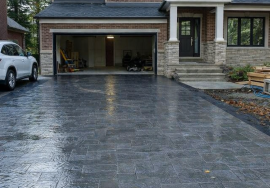
A heated driveway operates using either electric coils or hydronic pipes placed under the surface. Upon activation, the system automatically melts snow and ice, stopping accumulation. The primary attraction is ease of use, but the true assessment depends on the cost compared to the savings accumulated over time.
Understanding the Cost of a Heated Driveway
The cost of a heated driveway differs based on the type of system, the size of the driveway, and whether it is installed in new construction or retrofitted into an existing one. Typically, installation costs vary between $12 and $25 for each square foot. For an average two-car driveway, this may require an initial expenditure ranging from $8,000 to $20,000. Retrofitting typically incurs higher expenses since the current driveway needs to be taken out and replaced.
At first look, this cost makes the concept appear luxurious. Nonetheless, the heated driveway ROI is assessed not just by immediate financial savings but also through decreased long-term maintenance, enhanced safety, and effects on property value.
Comparing Snow Removal Costs to Heated Driveway ROI
A key financial factor is the continual cost of clearing snow. Employing a snow removal company may range from $400 to $1,500 each winter, influenced by the area and how often it snows. In a span of ten years, that amount can easily exceed $10,000. Include the costs for salt, shovels, snow blowers, and occasional repairs for cracked concrete resulting from freeze-thaw cycles, and the expenses gradually add up.
A snow melting driveway system greatly minimizes surface wear. Salt and de-icing agents hasten the degradation of concrete and may cause staining or cracking in paving surfaces. Removing the necessity for these materials prolongs the driveway’s lifespan and reduces the need for repairs. This indirect saving is frequently ignored when estimating the payback period for a heated driveway.
Energy Consumption and Operating Expenses
Another factor is energy consumption. Electric systems generally range from $0.30 to $0.60 per hour in operating costs, whereas hydronic systems, which utilize heated water, are more energy-efficient but have higher installation expenses. The system typically operates solely during snowfall, resulting in winter operational expenses usually ranging from $100 to $300. In relation to the expenses of snow removal services and upkeep, this is quite reasonable.
Safety Benefits and the Hidden Value of a Heated Driveway
Safety is an essential yet non-financial factor in the heated driveways value. Accidents and tumbles on frosty driveways can result in injuries, insurance claims, and liability issues. This benefit is significant for homes with elderly occupants or regular guests. Preventing just a single medical incident or liability claim can validate a considerable part of the initial expenditure.
Property Value Impact and Market Appeal
Another factor affecting the ROI of a heated driveway is real estate worth. In areas with severe winters, this characteristic is regarded as a high-end enhancement. It boosts visual attractiveness and sets a property apart in the real estate industry. Although it might not directly increase the home’s overall value by the total installation expense, it can expedite sales and enhance the property’s appeal to buyers looking for low-maintenance options.
Estimating the Heated Driveway Payback Period
To calculate the heated driveway payback period, take into account a situation where yearly expenses for snow removal and upkeep are approximately $1,000. In a decade, that amounts to $10,000. When the installation of the system is $15,000 and it minimizes ongoing expenses while lowering repair costs and enhancing property attractiveness, the realistic payback period usually lies between 8 and 12 years. In regions with more significant snowfall, the return on investment can happen even faster.
The timing of installation influences financial feasibility as well. Implementing a heated driveway system while constructing a new driveway significantly lowers expenses compared to retrofitting it later. This reduces the investment requirement and shortens the payback period, enhancing the financial appeal for new homeowners or those considering driveway replacement
Is a Heated Driveway Worth it in your Climate?
In the end, determining whether a heated driveway is worth it relies on climate, finances, and individual preferences. In temperate areas with infrequent snow, the expenditure is hard to rationalize. In areas where snow and ice are reliably present for several months each year, the long-term benefits, practicality, and safety present a strong argument.
The return on investment is not solely monetary. It encompasses time conserved, decreased physical strain, minimized upkeep, fewer safety hazards, and enhanced property attractiveness. When these elements are integrated, a heated driveway transforms from a luxury amenity to an advantageous home enhancement for the appropriate setting.
For homeowners in areas with heavy snowfall intending to stay long-term, the figures typically support the investment. The heated driveway ROI is more evident when considered over ten years instead of just one winter. The initial expense might hurt, yet the consistent savings and advantages build up gradually until the system has practically covered its own costs.