
Heated Driveway: The Smart Solution for Snow-Free and Ice-Free Winter Driveways
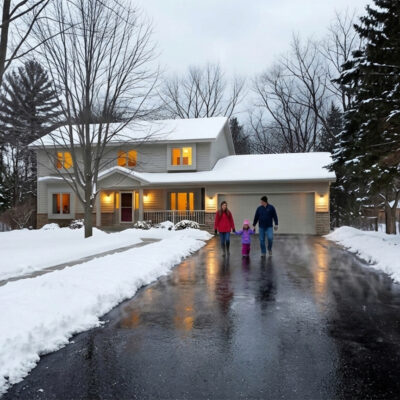
Canadian winters can transform an ordinary driveway into a daily challenge. A fresh snowfall may look beautiful, but clearing snow early in the morning, dealing with slippery ice, and repeatedly spreading salt can quickly become frustrating. For homeowners who want a more convenient way to manage winter weather, a heated driveway offers a practical alternative.
A heated driveway uses a snow-melting system installed beneath the driveway surface to help melt snow and prevent ice from building up. Instead of relying entirely on shovelling or snow removal equipment, homeowners can enjoy a driveway that requires less manual winter maintenance.
For properties across the Greater Toronto Area and other parts of Canada that experience freezing temperatures, this technology can make winter more manageable. Understanding how it works, what it costs, and when installation makes sense can help you decide whether it is the right investment for your home.
What Is a Heated Driveway?
A heated driveway is a driveway equipped with a built-in heating system that warms the surface from underneath. When snow falls and temperatures drop, the system generates enough heat to melt snow and help prevent ice from forming.
The heating components remain hidden beneath concrete, asphalt, or interlocking pavers, so the driveway looks much like a conventional one. The difference becomes noticeable when winter weather arrives.
Depending on the system design, temperature and moisture sensors can activate the heating automatically when conditions are suitable for snow and ice formation. This reduces the need to monitor the weather constantly or remember to turn the system on manually.
How Does a Heated Driveway System Work?
The principle is straightforward: heat travels from the installed heating components toward the driveway surface, melting snow before it accumulates.
There are two main types of heated driveway systems.
Electric Heated Driveway Systems
Electric systems use specially designed heating cables or mats installed beneath the driveway surface. When activated, the cables produce heat that spreads through the material above them.
These systems are often considered for residential driveways, entrances, walkways, and steps. They do not require a separate boiler, although they do need an appropriately designed electrical supply and professional installation.
Hydronic Heated Driveway Systems
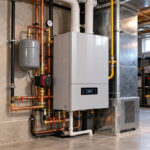
Hydronic systems circulate heated water or a suitable water-glycol mixture through durable tubing beneath the driveway. A boiler or another compatible heat source warms the fluid, which transfers heat to the surface.
These systems can be worth considering for larger driveways or properties where a suitable hydronic heating setup is already available. Their design is more involved because they require tubing, circulation equipment, and a compatible heat source.
The right option depends on the driveway’s size, the property’s existing services, the installation budget, and expected operating costs.
Why Heated Driveways Are Useful During Canadian Winters
The biggest advantage of a heated driveway is the convenience it provides during periods of snow and freezing weather. However, the benefits extend beyond simply avoiding a shovel.
Less Time Spent Removing Snow
Snow removal can take considerable time, particularly after overnight snowfall or repeated winter storms. A properly designed snow-melting system can reduce the amount of shovelling and manual clearing needed.
This is especially helpful for homeowners with busy schedules, long driveways, or limited time for outdoor maintenance.
Better Traction Around Your Property
Snow that gets compressed by vehicles or foot traffic can turn into slippery ice. A heated driveway helps melt accumulating snow and reduce ice formation when the system is operating under suitable conditions.
Although it cannot eliminate every winter hazard, it can make driveway access more manageable. Proper drainage remains essential because melted snow can refreeze if water collects in colder areas.
Reduced Dependence on Road Salt
Many homeowners use salt or chemical de-icers to deal with icy surfaces. Frequent application can contribute to deterioration of some driveway materials and affect nearby soil and vegetation.
By reducing snow and ice accumulation, a heated driveway may lower the need for repeated de-icing applications. This can help homeowners manage winter maintenance while being more mindful of their landscaping.
Greater Everyday Convenience
Imagine leaving for work on a snowy morning without first spending time clearing the driveway. Or returning home after a storm to find that your driveway has remained more accessible.
That convenience is one of the main reasons homeowners consider heated driveway installation. It can be particularly valuable for families, older adults, and people who prefer to reduce physically demanding winter chores.
Is a Heated Driveway Worth the Investment?
Whether a heated driveway is worthwhile depends on how you use your property and how much winter maintenance you currently need.
For some homeowners, the main benefit is saving time. Others may place greater value on reducing snow removal services, improving access, or limiting the repeated use of de-icing products.
However, a heated driveway involves an upfront investment, and the heating system will consume energy when operating. Installation costs and long-term expenses vary according to the driveway’s dimensions, heating technology, surface material, electrical or mechanical requirements, and local labour rates.
It is also important to remember that a heated driveway is not guaranteed to eliminate all snow removal. Heavy snowfall, system capacity, weather conditions, and drainage can affect performance.
The best way to assess its value is to compare the installation and operating costs with your current winter maintenance expenses and the convenience you expect to gain.
What Factors Affect Heated Driveway Installation Costs?
There is no single price that applies to every heated driveway project. Several factors influence the final estimate.
Driveway Size and Layout
Larger driveways generally require more heating components and greater energy capacity. Curves, slopes, entrances, and unusual layouts may also affect the design and installation work.
Choice of Heating System
Electric and hydronic systems have different equipment requirements and operating characteristics. Electric systems can offer a simpler installation, while hydronic systems may be suitable for larger areas where their additional mechanical components make sense.
A professional assessment helps determine which option fits the property.
Driveway Surface Material
Concrete, asphalt, and interlocking pavers have different installation requirements. The selected heating system must be compatible with the driveway material and installed according to the manufacturer’s specifications.
Electrical Supply and Drainage
An electric system may require a dedicated circuit or electrical panel upgrades. Hydronic installations may need a boiler, circulation equipment, and additional mechanical work.
Drainage is equally important. Meltwater needs a suitable path away from the driveway to help prevent puddles, refreezing, and water-related damage.
For an accurate estimate, homeowners should request a site assessment rather than relying on a general price alone.
Can You Install a Heated Driveway on an Existing Driveway?
This is an important question to consider before planning a project.
Most conventional in-ground heated driveway systems need their heating cables or tubing installed beneath the driveway surface. For an existing concrete, asphalt, or interlocking driveway, this typically means removing the relevant surface and rebuilding it with the heating components incorporated into the new installation.
For this reason, the most practical time to consider a heated driveway is often when building a new driveway or replacing an old, damaged one.
Planning both projects together can help avoid unnecessary demolition and repeated construction work. It also gives the installer an opportunity to address the driveway base, surface slope, and drainage before the finished surface is installed.
How to Maintain a Heated Driveway
A professionally installed system can provide years of service, but basic checks and appropriate maintenance are still important.
Before winter begins, inspect the driveway surface for visible damage and confirm that the controls are working correctly. Follow the manufacturer’s recommendations for testing and seasonal preparation.
For electric systems, a qualified professional can check the electrical connections, controller, sensors, and heating circuit when needed.
For hydronic systems, maintenance may include checking the boiler, circulation pump, fluid condition, and other mechanical components.
Keep drainage channels clear so that melted snow can flow away from the driveway. If you notice uneven snow melting, repeated system faults, or water collecting in the wrong places, arrange an inspection rather than assuming the issue will resolve itself.
Regular attention helps identify potential problems before the coldest part of winter arrives.
Why Plan Your Heated Driveway Project With Cambridge Heating & Cooling?
A heated driveway should be designed around the property’s specific requirements rather than treated as a one-size-fits-all upgrade. Driveway dimensions, surface material, available power or heating equipment, drainage, and local winter conditions all influence the final design.
Cambridge Heating & Cooling can be your starting point for discussing your home’s heating and comfort requirements and exploring the options available for your project.
Before moving ahead, ask about system compatibility, installation requirements, energy consumption, controls, maintenance, and the work needed to prepare the existing driveway. These details will help you understand the scope of the project and make a more informed decision.
For homeowners planning driveway replacement or new construction, it is worth discussing snow-melting options early in the process.
Frequently Asked Questions About Heated Driveways
Do heated driveways melt snow automatically?
Many systems can operate automatically when connected to suitable temperature and moisture sensors. Their ability to keep the surface clear depends on system design, weather conditions, and heating capacity.
Do heated driveways use a lot of electricity?
Electric systems consume electricity while heating. Actual costs depend on the heated area, system output, local electricity rates, weather, and operating time. Automatic controls can help reduce unnecessary operation.
Are heated driveways suitable for interlocking pavers?
Yes, appropriately designed heating systems can be installed beneath interlocking pavers. Correct installation, suitable materials, and proper preparation of the base are essential.
Do heated driveways require maintenance?
Yes, although the amount varies by system. Electric systems generally have fewer mechanical components, while hydronic systems need attention to their boiler, pumps, and circulating fluid. Follow the manufacturer’s maintenance guidance.
When should I install a heated driveway?
A new driveway installation or full driveway replacement is often the most convenient time because the heating components can be incorporated beneath the surface during construction.
Make Winter Driveway Maintenance Easier
Winter weather is unavoidable in Canada, but the effort required to manage it can be reduced. A heated driveway offers homeowners a way to limit snow accumulation, reduce reliance on manual clearing, and make everyday access more convenient during cold weather.
The key is choosing a system that suits your driveway, understanding the installation and operating costs, and ensuring that drainage and controls are properly planned.
If you are considering a heated driveway for your property, contact Cambridge Heating & Cooling to discuss your project requirements and determine the most suitable next steps for your home.
Other Articles