
Debunking Common Commercial Air Conditioning Myth
It is essential to keep the interior of your workplace pleasant for both workers and clients in the ever-changing world of business. But there are a lot of myths about commercial HVAC systems that cause wasteful spending, poor performance, and wasted energy. To assist companies, make educated choices, we will dispel some common misconceptions about commercial air conditioning in this blog.
First Myth: Turning Down the Thermostat will cool the Room Rapidly
The idea that lowering the thermostat to a very low level can speed up the cooling process is one of the most prevalent myths.
The truth is that air conditioners run at a constant speed, and turning the thermostat down too low is a waste of electricity. Although it will not chill the room any quicker, it might put a strain on the system and lead to increased energy costs.
Our Proposed Solution: Maintain a moderate temperature with the thermostat set to maximize efficiency and minimize energy waste. You can also save energy by turning off the system when you leave.
Second Myth: Switch off the AC system is a cost-effective technique when employees leave the building
It is considered a cost-effective technique by some organizations to switch off the air conditioning system when employees leave the building.
The truth is, it takes more energy to restart the system than it does to keep the temperature constant. In addition to compromising indoor air quality, shutting off the system could put personnel through pain when they return to a hot or chilly environment. Obviously, it is a good idea to switch off the system if your employees will be away from the office for an extended length of time, like Christmas vacation, but not for a little nap.
Our Proposed Solution: We propose installing smart HVAC systems or programable thermostats so that building occupants can control the temperature even when no one is around to monitor it. This will help keep energy costs down while still keeping everyone comfortable.
Third Myth: Your AC do not need Regular Maintenance
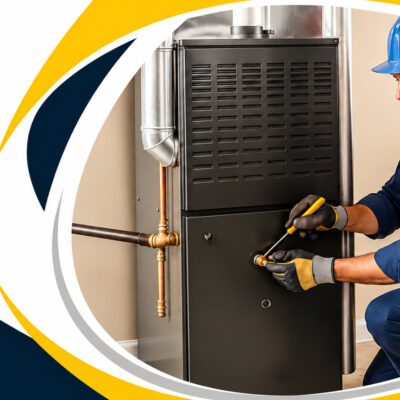
Another common misconception is that commercial HVAC systems do not need servicing. Reduced efficiency, greater energy consumption, and more frequent system breakdowns are the results of ignoring regular maintenance.
To maximize performance and prolong the life of the equipment, regular maintenance helps detect any problems early on. It is usually a good idea to have a regular schedule in place to avoid costly downtime and excessive expenses, however we conduct both reactive and planned maintenance.
Our Proposed Solution: To avoid expensive repairs and keep the system functioning smoothly, establish a proactive maintenance program that includes checking in on it often, cleaning the coils, and replacing filters.
Fourth Myth: A Universal System is Necessary for all Commercial Spaces
A common misunderstanding that can result in inefficient operation and unnecessary energy waste is the idea that all business facilities have the same air conditioning needs.
Factors including building size, occupancy rate, and equipment heat production determine a business’s specific cooling requirements. Inefficient cooling and wasteful spending could come from a one-size-fits-all solution.
Our Proposed Solution: Get in touch with HVAC experts to find out what your business space really requires, and then get an individualized air conditioning system to fit the bill. During our site assessment, we will create a strategy that prioritizes you and your building in relation to any potential solutions or systems.
Fifth Myth: Bigger AC is more efficient
It is often believed that a bigger industrial air conditioner would provide quicker and more efficient cooling.
However, uneven cooling, higher energy usage, and inefficient operation are all possible outcomes of a too large unit. Not ideal for efficient company operations in general!
Our Proposed Solution: As with myth number four, our solution is to have a professional HVAC technician determine the optimal size of your business air conditioning system. It is essential to do a load calculation in order to ascertain the correct building capacity!
Sixth Myth: Shutting all outward Doors and Windows Maximizes Efficiency
Although it is recommended to keep doors and windows closed to preserve the temperature inside, doing so to an extreme may result in unhealthy levels of indoor air pollution. Indoor air quality and occupant comfort are directly related to the building’s ventilation system.
Our Proposed Solution: Ventilation is an important part of achieving a balance between saving energy and keeping indoor air quality high. You may bring in new air while reusing energy from the old air by using a heat recovery ventilator (HRV) or an energy recovery ventilator (ERV). Install air quality sensors to make sure the air inside the building is up to par.
Conclusion
To help companies establish a pleasant and energy-efficient interior environment, it is vital to dispel five common fallacies regarding commercial air conditioning. Businesses can add to sustainability efforts and save money by using smart practices and accepting correct information to improve the performance and lifetime of their HVAC systems.
For over 20 years, Cambridge has designed and installed HVAC systems for residential, commercial, and industrial facilities. If you are seeking a dependable installation and maintenance provider, we are the ones to call. Because of our extensive background, we are familiar with the wide range of facilities and their specific needs. You can rely on our skilled staff to be there for you every step of the way.